


Top Museums and Delightful Cultural Attractions in Dublin
- Museums in Dublin range from free national collections to major historic and literary cultural attractions.
- The guide highlights Trinity College, Kilmainham Gaol, EPIC, Dublin Castle and more.
- It also helps visitors plan efficient top museum days by grouping nearby cultural sites.
- Dublin punches well above its weight when it comes to culture and history. As a city that has played a significant role in literature, politics and European history more broadly, it is packed with top museums, galleries and historic sites, many of which are completely free to visit. Whether you have a single afternoon or several days to explore, this guide covers the cultural attractions genuinely worth your time.
Free National Museums
One of the best things about Dublin’s cultural scene is how much of it costs nothing at all to enjoy.
The National Museum of Ireland, Archaeology, on Kildare Street, houses an extraordinary collection of Irish artefacts, including bog bodies remarkably preserved for thousands of years and stunning examples of ancient Irish gold work. This is one of the best places in the world to understand Ireland’s ancient history.
The National Gallery of Ireland, close to Merrion Square, holds an impressive collection of European art spanning several centuries, alongside a strong focus on Irish artists. The building itself is worth a visit, with beautiful galleries and a lovely central courtyard.
The National Museum of Ireland, Decorative Arts and History, based at Collins Barracks, focuses on Irish design, fashion and military history, offering a slightly different angle on the country’s story compared to the archaeology branch.
The Little Museum of Dublin, while not free, charges a modest entry fee and offers a charming, personal look at the city’s twentieth-century history through donated objects and guided tours led by knowledgeable local guides.
One of the reasons the museums and cultural attractions in Dublin stand out is the incredible variety on offer. In the space of a single day, you can discover prehistoric artefacts, admire European masterpieces, learn about Ireland’s struggle for independence and explore centuries of literary history. Few European capitals offer such a broad range of cultural experiences within such a compact and walkable city centre.
Many of these cultural attractions are located just a few minutes apart, making it easy to combine several visits without spending much time on public transport. Whether you are interested in archaeology, art, architecture or Irish heritage, the museums and cultural attractions in Dublin cater to every type of traveller and every budget, especially with so many excellent museums offering free admission.
Trinity College and the Book of Kells
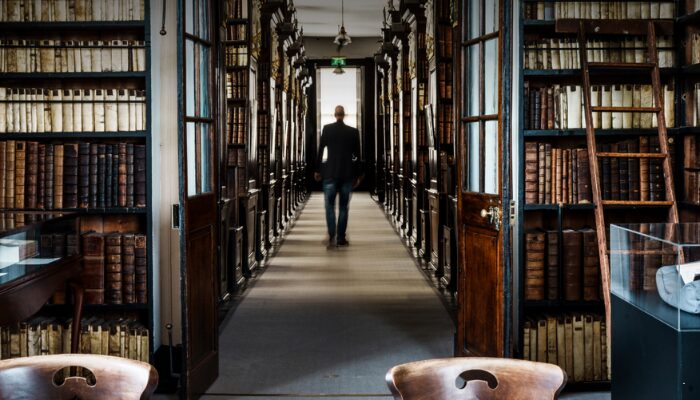
Trinity College Dublin is one of the most photographed spots in the city and for good reason. The cobbled squares, historic buildings and grand Long Room library create an atmosphere that feels genuinely special.
The Book of Kells, an elaborately illustrated manuscript dating back over a thousand years, is housed here and remains one of Ireland’s most treasured cultural artefacts. The accompanying Long Room, lined floor to ceiling with historic books, is worth the visit on its own, even setting aside the manuscript itself.
Good to know: booking tickets in advance is strongly recommended, particularly during summer, since this is one of Dublin’s busiest attractions.
Dublin Castle
Once the seat of British rule in Ireland, Dublin Castle now serves as a state building used for official ceremonies, while also welcoming visitors to explore its historic State Apartments and underground Viking excavations.
The site combines several centuries of history in one location, from medieval foundations through to its more recent role in Irish independence. Guided tours are available and add real depth to a visit, particularly for those interested in the political history behind the building.
Kilmainham Gaol
For anyone interested in Irish history, particularly the events surrounding independence, Kilmainham Gaol is one of the most powerful sites in the city.
This former prison held many of the leaders of the 1916 Easter Rising and the guided tour walks visitors through the building’s history in a way that is both educational and genuinely moving. Given its popularity, tickets often sell out well in advance, so booking ahead is essential.
EPIC The Irish Emigration Museum
Located in the Docklands area, EPIC tells the story of Irish emigration through interactive exhibits, covering how Irish people and their descendants have shaped countries around the world.
This top museum has picked up numerous awards for its engaging, modern approach to storytelling, making it a great option for visitors who want a more interactive experience compared to some of the city’s more traditional museums.
Literary Dublin
Given Ireland’s remarkable literary tradition, including several Nobel Prize winners, literature lovers have plenty to explore.
The Museum of Literature Ireland, known as MoLI, based near St Stephen’s Green, celebrates Irish writers including James Joyce, with a particular focus on his novel Ulysses.
The Dublin Writers Museum, housed in a beautiful Georgian building, covers three centuries of Irish literary history, including figures such as Oscar Wilde, Jonathan Swift and William Butler Yeats.
Walking tours focused specifically on literary Dublin are also widely available, taking visitors past significant sites connected to the city’s most famous writers.
Christ Church Cathedral and St Patrick’s Cathedral
Dublin’s two great medieval cathedrals both offer a fascinating look into the city’s religious and architectural history.
Christ Church Cathedral, founded in the eleventh century, includes atmospheric crypts and striking medieval architecture right in the heart of the city.
St Patrick’s Cathedral, Ireland’s largest church, has strong connections to Jonathan Swift, who served as dean here and the building’s history is closely tied to the city’s development over the centuries.
Both cathedrals are within easy walking distance of each other, making it simple to visit both in a single afternoon.
The Chester Beatty
Consistently rated among the best small museums in the world, the Chester Beatty houses an extraordinary collection of manuscripts, art and artefacts gathered from across Asia, the Middle East and Europe. Entry is free and the museum’s rooftop garden offers lovely views over Dublin Castle.
Guinness Storehouse and the Jameson Distillery
While technically brand experiences rather than traditional museums, both attractions offer a genuine and well-presented look at two industries closely tied to Irish culture and history.
The Guinness Storehouse takes visitors through the brewing process across several floors, ending with a pint in the rooftop Gravity Bar, which offers panoramic views across the city. The Jameson Distillery in Smithfield tells the story of Irish whiskey production, with guided tours ending in a tasting session.
Explore our guide of Irish craft beer & whiskey breweries.
Planning Your Top Museum Days
Given how many of Dublin’s best museums are completely free, it is entirely possible to fill several days with excellent cultural experiences without spending much at all beyond food and transport.
A sensible approach is to group attractions by area. Trinity College, the National Gallery and the National Museum of Archaeology are all within a short walk of each other, making for an easy, well-paced day. Kilmainham Gaol and the nearby Irish Museum of Modern Art pair well together on another day, while Dublin Castle, Christ Church Cathedral and the Chester Beatty sit close enough together to comfortably explore in one outing.
If you are visiting Dublin for the first time, it is worth leaving enough flexibility in your itinerary to spend longer at the places that capture your interest. Some visitors may spend hours exploring the National Museum or reading every exhibit inside EPIC, while others might prefer wandering through historic buildings or joining one of the city’s many guided walking tours. The beauty of the museums and cultural attractions in Dublin is that they offer something rewarding whether you have a few hours or several days to explore.
Many of Dublin’s cultural sites also host temporary exhibitions, special events and seasonal programmes throughout the year, meaning no two visits are exactly the same. Checking what is happening during your stay can help you discover exhibitions, talks or performances that are not part of the permanent collections, adding another dimension to the already impressive range of top museums and cultural attractions in Dublin.
So, Let’s Explore?
Dublin’s cultural scene offers remarkable depth for a city of its size, covering everything from ancient archaeology to modern emigration history and world-class literature. Best of all, a huge amount of this is available completely free of charge, making it entirely possible to build a rich, memorable trip around the city’s museums and cultural sites without stretching your budget. Take your time, pick a few cultural attractions that genuinely interest you and let Dublin’s history and culture unfold at your own pace.
FAQs – Frequently Asked Questions
- What are the best museums in Dublin?
Some of the best museums in Dublin include the National Museum of Ireland, the National Gallery, EPIC and the Little Museum of Dublin. - Are there free museums in Dublin?
Yes, several major museums are free, including the National Museum of Ireland and the National Gallery. - Is the Book of Kells worth seeing?
Yes, it is one of Dublin’s most famous cultural treasures and is housed at Trinity College. - Do I need to book Dublin cultural attractions in advance?
For popular places like Trinity College and Kilmainham Gaol, booking ahead is strongly recommended. - What is EPIC in Dublin?
EPIC is the Irish Emigration Museum, which uses interactive displays to tell the story of Irish emigration around the world. - Which Dublin attraction is best for history lovers?
Kilmainham Gaol is one of the most powerful places for visitors interested in Irish independence and political history. - What cultural sites are good for literary fans?
MoLI, the Dublin Writers Museum and literary walking tours are great options for anyone interested in Irish writing. - Can I visit Dublin Castle?
Yes, Dublin Castle is open to visitors and includes historic State Apartments and Viking excavations. - Are Dublin cathedrals worth visiting?
Yes, Christ Church Cathedral and St Patrick’s Cathedral both offer strong historical and architectural interest. - How can I plan a top museum day in Dublin?
Group nearby cultural attractions together, such as Trinity College, the National Gallery and the National Museum of Archaeology, to save time.